

Is Custom Web Design Worth It for Small Businesses?
Custom web design is worth it for many small businesses because it strengthens branding, enhances user experience, and supports better long-term scalability. Template websites may seem cheaper at first, but they often restrict your ability to differentiate your brand or improve performance. A custom-built website gives you more control over how your business appears and functions online, which has a direct impact on customer trust and engagement.
Custom design also benefits SEO, navigation, and loading speed. These technical improvements influence how your site ranks in Google and how users interact with your content. Templates often come with bloated code and layout limitations that slow down your website. For Australian businesses competing in local markets, these details matter. A well-crafted custom site gives you a stronger digital presence and a more reliable foundation for growth.
Why Do Small Businesses Choose Custom Web Design Instead of Templates?
Small businesses choose custom design because it provides a more tailored and strategic foundation for their website. Templates can look attractive at first, but many businesses quickly realise they cannot personalise or scale them easily. Because templates rely on rigid structures, it becomes difficult to present your content, services, and brand the way you want. This often leads to compromises that affect user engagement and conversions.
Custom-built websites solve these challenges by giving you full control over layout, visuals, user flow, and functionality. This means your site can evolve over time without the limitations of a template. As your business grows, you may need new integrations, improved UX, or expanded service pages. Custom design supports these needs without forcing a full rebuild. For small businesses looking to strengthen brand identity and deliver a better customer experience, custom design becomes the more sustainable choice.
If you want a clearer comparison between the two approaches, our guide on Custom Web Design vs Templates: Which Is Better for Growing Businesses?
How custom design builds a stronger and more consistent brand presence
Custom design strengthens your brand by giving you complete control over your visual identity, content structure, and overall presentation. This helps users connect with your business more quickly and builds trust through consistency. Templates often make websites look similar because they rely on preset layouts, which can dilute your brand's impact. Custom design ensures every element reflects your unique message and appeals directly to your audience.
What branding advantages come from custom design?
- Your visuals feel intentional and consistent across every page
- Messaging can be shaped to match your audience’s expectations
- The overall experience feels more premium compared to template sites
People Also Ask
Do templates limit branding?
Yes. Templates often force businesses into generic layouts that reduce impact.
Does custom branding improve trust?
Absolutely. A cohesive and polished site increases user confidence.
Does Custom Web Design Deliver Better ROI than using a Template?
Custom design often delivers significantly higher ROI because it improves conversions, enhances user experience, and boosts SEO performance. With a custom website, every component is deliberately crafted around your customer's behaviour. Clear pathways, strong headings, and strategic call-to-action placement help users find information faster and act with less hesitation. Templates do not allow this level of refinement because they are built for broad use rather than specific user needs.
SEO also plays a large role in improving ROI. Custom sites are built with cleaner code, faster loading speeds, and optimised structures that help Google index your pages more effectively. Templates frequently include unnecessary scripts and complex frameworks that reduce search performance. Over time, better rankings result in more organic traffic and fewer paid advertising costs. When small businesses consider the combined long-term benefits, custom web design becomes the more profitable investment.
For a clearer breakdown of pricing, our guide on how much custom web design costs in Australia explains the typical ranges and what affects them.
How custom design drives higher conversions and long-term revenue growth
Custom design enhances conversions by shaping your website around user behaviour patterns. A more intentional structure helps users understand your offer quickly and move confidently toward the next step. Templates often include generic layouts that distract visitors or bury important information. With custom design, every section is created with purpose, allowing your website to work harder and convert more effectively.
What helps a custom website convert more effectively?
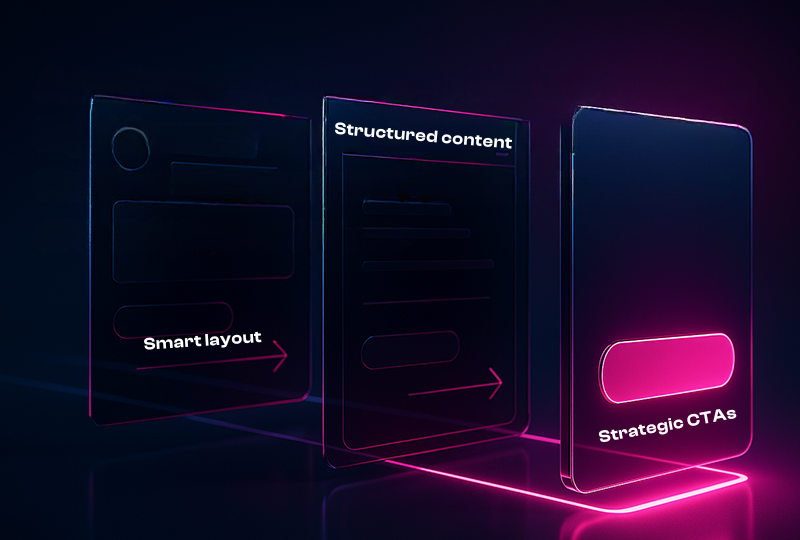
- Users find information faster because the layout supports decision-making
- Calls to action are placed exactly where visitors expect them
- The content is structured around your services rather than fitting into a theme’s limitations
People Also Ask
Do custom sites generally convert better?
Yes. A cleaner and clearer user journey increases enquiries.
How long until ROI becomes visible?
Many businesses notice conversion improvements within a few months.
Can Custom Web Design Help Small Businesses Stand Out in Australia’s Competitive Market?
Custom design helps businesses differentiate themselves by presenting information more clearly and professionally. In competitive Australian markets such as Brisbane, Sydney, and Melbourne, users often compare multiple options before choosing a provider. If your website looks generic, cluttered, or outdated, you lose credibility instantly. Template sites frequently suffer from this because their designs repeat across many businesses.
Custom design solves that problem by creating a visual style and layout unique to your brand. This helps you highlight what makes your business different, whether it is expertise, customer reviews, or specialised services. When users see a polished website that speaks directly to their needs, they are more likely to stay, explore, and enquire. For small businesses competing locally, standing out online is often the deciding factor in winning new customers.
You can also learn more in our guide on what custom web design is and how it works for Australian businesses.
How custom design highlights what makes your business unique
Custom design allows you to showcase your strengths in ways that templates cannot match. You can emphasise testimonials, expertise, or key offerings using layouts built around your messaging. This helps users quickly understand why your business is the better option. Templates rarely provide this flexibility, often burying important content behind generic sections that do not reflect your brand well.
Why does custom design give you a competitive edge?
- You can highlight proof, testimonials, or case studies more strategically
- Your message is clearer because distractions are removed
- The website feels more credible and memorable to users comparing multiple businesses
- You’re able to emphasise unique strengths without being restricted by a theme’s layout
People Also Ask
Does custom design make a business look more professional?
Yes. A polished design strongly influences user trust.
Do templates look too similar to stand out?
Often yes, especially in busy local markets.

Does Custom Web Design Improve SEO for Small Businesses?
Custom web design improves SEO by giving developers full control over the site’s technical structure. Clean code, fast loading times, and optimised layouts support stronger search performance. Templates often rely on multiple scripts, animations, and plug-ins that slow your site down, harming your position in Google search results. For small businesses relying on organic traffic, this performance difference has a direct impact on visibility.
Custom design also ensures that headings, internal links, and content structure are aligned with best SEO practices. Template sites often include messy HTML and rigid layout limitations that make it harder for Google to crawl and understand your pages. With a custom-built site, you can create a scalable content plan that supports ongoing growth and helps you compete more effectively for local search terms.
How custom development strengthens your search visibility and ranking potential
Custom development supports SEO by streamlining your website’s performance and structure. Developers can eliminate unnecessary scripts and make the layout easier for search engines to interpret. This helps you achieve better rankings, especially for mobile-first searches. Template sites often include unoptimised code that slows everything down.
Which SEO improvements come from custom design?
- Faster load times that support better Core Web Vitals performance
- Cleaner, more logical structure that Google crawls more easily
- More flexibility for headings, links, and content layout without theme restrictions
- Greater control over mobile responsiveness and page speed improvements
People Also Ask
Do custom websites rank better long-term?
Often yes, because they avoid code bloat and speed issues.
Are templates harmful for SEO?
They can be if they slow down loading times or restrict structure.
Why Does Custom Web Design Reduce Long-Term Costs for Small Businesses?
Custom websites reduce long-term costs because they are built using stable code and require fewer third-party tools. Template sites rely heavily on plug-ins and theme updates, which often cause conflicts and break sections of the site. These issues require paid support or emergency fixes, and over time, these costs add up. Custom sites avoid most of these problems because they are intentionally designed and use fewer dependencies.
Another advantage is scalability. As your business expands, your website may require new features, updated content, or additional integrations. Templates often cannot support these changes without creating instability or forcing a manual workaround. Custom design provides a more flexible structure that can grow naturally with your business, reducing the need for expensive redesigns or rebuilds.
How custom sites prevent expensive fixes and unnecessary rebuilds
Custom sites become more cost-effective long-term because they operate with fewer points of failure. Templates rely on multiple plug-ins that can conflict during updates. Custom builds simplify this by using stable components designed for your specific needs, ensuring fewer breakdowns and a smoother maintenance experience overall.
What long-term cost benefits come from custom design?

- Fewer plug-in conflicts
- Lower risk of security issues caused by third-party add-ons
- More freedom to add new features later without rebuilding the site
- Easier maintenance because the structure is built intentionally
- Reduced need for emergency fixes or costly redesigns
People Also Ask
Are custom sites cheaper to maintain?
Usually yes, because they depend on fewer external components.
Do template sites break more easily?
They can, especially when plug-ins or themes are updated.
Summary: Custom Web Design Offers Value That Small Businesses Cannot Get From Templates
Custom web design provides stronger branding, improved conversions, better SEO, and more stable long-term performance than template-based websites. For small businesses in Australia, these advantages help build credibility quickly and compete more effectively in local markets. Templates may be cheaper initially, but they rarely support long-term growth or deliver the performance users expect.
A well-built custom website becomes a long-term asset that evolves with your business. To explore more insights on web design, SEO, UX, and digital performance, visit our media hub.
If you want to understand how custom design can help your business grow sustainably, our team is ready to guide you through the right approach.
FAQs
1. Is custom web design worth it for small businesses?
Yes. It delivers stronger branding, SEO, and conversions.
2. Are templates suitable for early-stage businesses?
They can be, but most businesses outgrow them quickly.
3. Does custom design improve user experience?
Yes. Clearer layouts help users understand your offer faster.
4. Does custom design improve SEO?
Absolutely. Custom-built structures load faster and rank better.
5. Are maintenance costs lower for custom sites?
Generally yes, because fewer plug-ins mean fewer failures.
6. How soon do businesses see results?
Many notice improvements within three to twelve months.







%2520-%2520Main%2520Image.jpeg)
Versatility Across All Platforms


How can i help you today?


