

Custom Web Design vs Templates: Which Is Better for Growing Businesses?
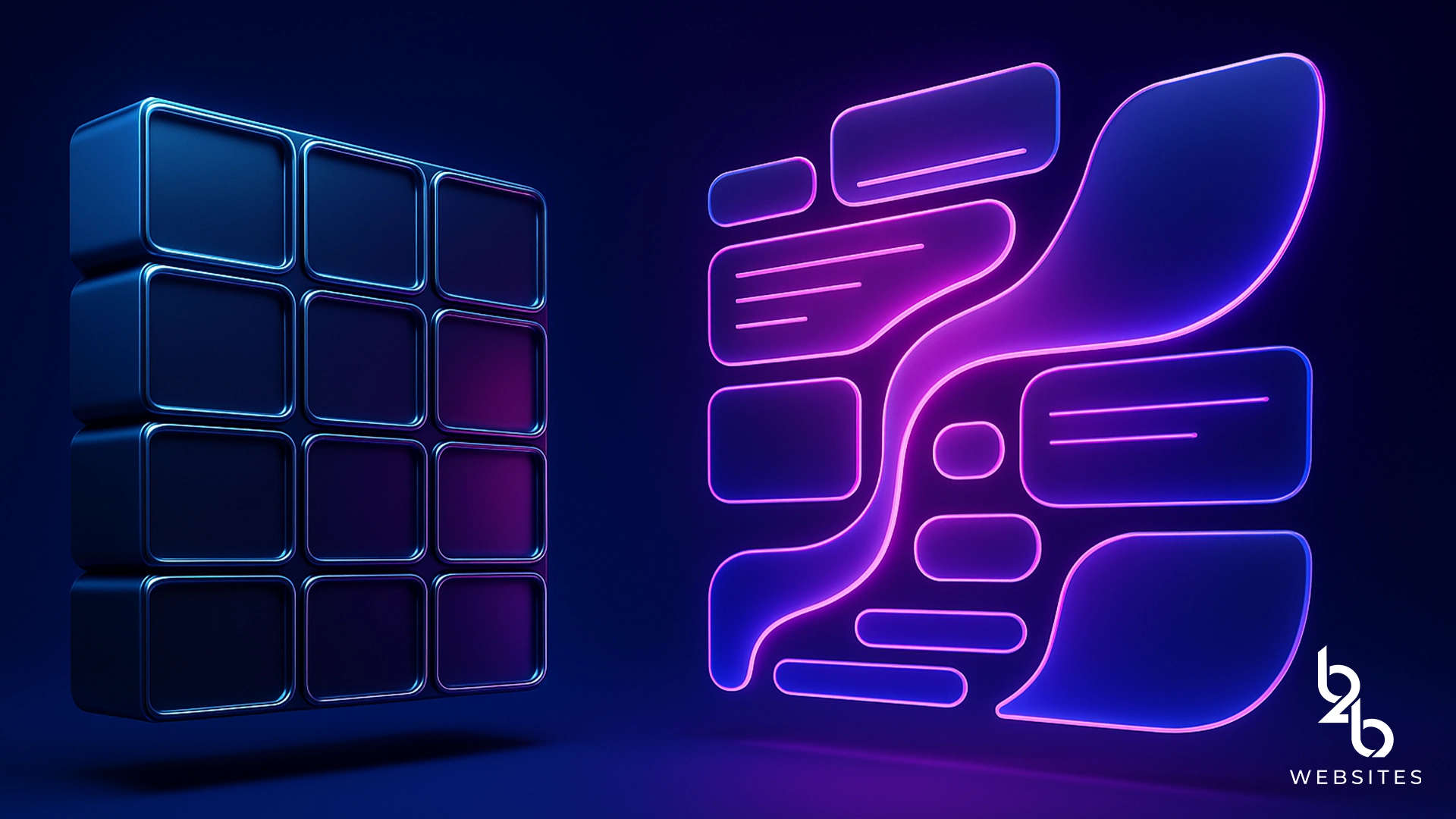
Custom web design and template-based websites both help businesses get online, but they serve very different needs. Templates offer speed and affordability, while custom design provides branding strength, flexibility, and long-term scalability. Australian SMEs trying to choose between the two should base their decision on growth plans, functionality requirements, and how important unique design and performance are for their customers.
Understanding the difference goes beyond looks. Custom design includes UX strategy, brand alignment, custom-built components, integrations, and scalable structures. Templates offer convenience but usually limit growth and restrict performance. In this guide, you will learn exactly how both options compare so you can choose the right approach for your business stage, goals, and budget.
What Is the Core Difference Between Custom Websites and Template Websites?
Custom websites are built specifically for your business, starting from strategy and planning, while template websites come from pre-designed themes that you modify. Templates aim to help you get online quickly with minimal cost. Custom design aims to support your brand, conversions, processes, and future growth. This core difference influences everything from usability to long-term performance.
How Does the Build Process Differ Between Template and Custom Design?
Templates are quick to launch because most of the structure and layout already exist. You customise colours, swap text, update images, and adjust pre-set modules. Custom design works differently. It involves discovery sessions, UX mapping, wireframes, bespoke UI, component creation, and tailor-made development built for your operations. Each step aligns with your goals, audience, and brand, which is why the process produces better performance and higher conversions.
What steps exist in custom websites that templates do not include?
- UX and user journey strategy
- Custom design systems and component libraries
- Brand-specific UI elements
- Custom-coded interactions
- Fully tailored CMS structures
People Also Ask
Is it harder to build a custom website?
Yes. It requires planning, design expertise, and development from scratch.
Do templates skip UX planning?
Most do. They rely on pre-made layouts rather than audience-specific journeys.
You can dive deeper into how custom web design works for Australian businesses in our full guide What is custom web design and how does it work for Australian businesses, which gives you a clearer understanding of why the approach differs so much from template-based builds.
Which Option Gives Businesses Better Branding and Visual Consistency?
Custom design consistently delivers stronger branding because every detail is carefully crafted to reflect your identity. Your fonts, colours, space rules, interactions, and layouts work together as a unified system. Templates restrict visual expression because you are modifying frames that were not built for your brand. This often leads to generic design and a lack of memorable identity.
Why Does Custom Design Produce Better Branding Outcomes?
Custom designers build your brand into every section of the website. They create UI components, refine typographic styles, and adjust spacing and visual weight to ensure the site feels cohesive and professional. Templates force your brand to fit predetermined patterns, which often dilutes your identity. For Australian SMEs in crowded industries, this lack of uniqueness can be a real disadvantage in competitive markets.
Which visual elements improve most with custom web design?

- Unique icons and illustration styles
- Tailored typographic hierarchy
- Branded interface components
- Layouts designed for your content
- Micro interactions aligned with your brand personality
People Also Ask
Can templates still look polished?
Yes, but they rarely offer the uniqueness that custom design delivers.
Does branding impact conversions?
Absolutely. Strong branding builds trust and influences user decisions.
Which One Performs Better for SEO and Website Speed?
Custom websites generally perform better because the code, structure, and assets are designed specifically for your content and features. Template websites often suffer from bloated code, unused modules, and plugins that slow down page load times. Since search engines prioritise speed and user experience, performance strongly affects visibility and ranking potential.
How Does Custom Design Improve SEO and Performance?
Developers building custom sites write clean code, remove unnecessary scripts, and optimise assets based on the requirements of your pages. They map your content around SEO strategy and implement technical foundations that support search visibility. Templates often rely on plugins or apps to fill functionality gaps, and these layers make sites heavier and slower.
What SEO-related improvements come from custom builds?
- Faster load speeds
- Cleaner heading structure
- Less plugin reliance
- Better mobile performance
- Improved internal linking frameworks
People Also Ask
Are templates slower than custom-built sites?
Often yes. Templates include generic code designed to cover many use cases.
Is custom design better for SEO?
Most of the time, because it reduces code bloat and improves usability.
You can explore a deeper breakdown of how custom web design strengthens SEO and user experience in our dedicated guide on custom web design for SEO and UX How custom web design supports SEO and user experience UX, which will help you understand why performance and visibility rely so heavily on a tailored build.
Which One Supports Business Growth Better Over Time?
Custom websites support long-term growth because they are built with scalability in mind. You can add new pages, expand services, integrate tools, and evolve your UX without fighting template limitations. Templates help you start quickly, but many SMEs outgrow them within one to two years as their needs become more complex.
Why Does Custom Design Scale More Effectively?
Custom sites are constructed with a flexible architecture. Designers create reusable components and well-structured CMS systems that support expansions without breaking the layout. Templates often restrict page layout, navigation complexity, or feature development. This becomes a bottleneck for growing companies that want custom landing pages, automation, or deeper integrations.
Which elements show the biggest gap in scalability?
- Multi-location or multi-service expansion
- Integration with CRM or booking tools
- Advanced navigation or mega menus
- Automation or custom workflows
- Adding new page templates at scale
People Also Ask
Do growing businesses outgrow templates?
Many do once they require advanced features or better UX.
Can templates be scaled with custom code?
Sometimes, but structure limitations often cause issues.
Which Option Is More Cost Effective Long Term?
Templates cost far less upfront, but can cost more over time due to limitations, extra plugins, redesign needs, and theme conflicts. Custom websites cost more initially but reduce long-term expenses by offering stability, easier updates, and stronger performance. Most growing SMEs find custom design to be more cost effective because it supports long-term goals.
How Do Long-Term Costs Compare Between Template and Custom Sites?
Template websites may need frequent fixes, plugin updates, or theme replacements. As your business evolves, you may also require redesigns to overcome template limitations. Custom websites are built to last and use component systems that reduce maintenance. They also enable better conversion rates, which compounds long-term returns.
In what areas does custom design reduce long-term cost?
- Fewer rebuilds
- Fewer plugin repairs
- Higher conversion efficiency
- More stable structure
- Less reliance on external themes
People Also Ask
Are custom sites worth the higher cost?
Yes, especially when the goal is long-term growth and performance.
Are template sites cheaper to maintain?
Not always. Plugin conflicts and theme updates can create ongoing expenses.
You can explore a detailed breakdown of custom web design costs in Australia in here, How much does custom web design cost in Australia to understand how pricing changes with scope, complexity and long-term goals.
Which Option Offers Better Flexibility and Custom Features?
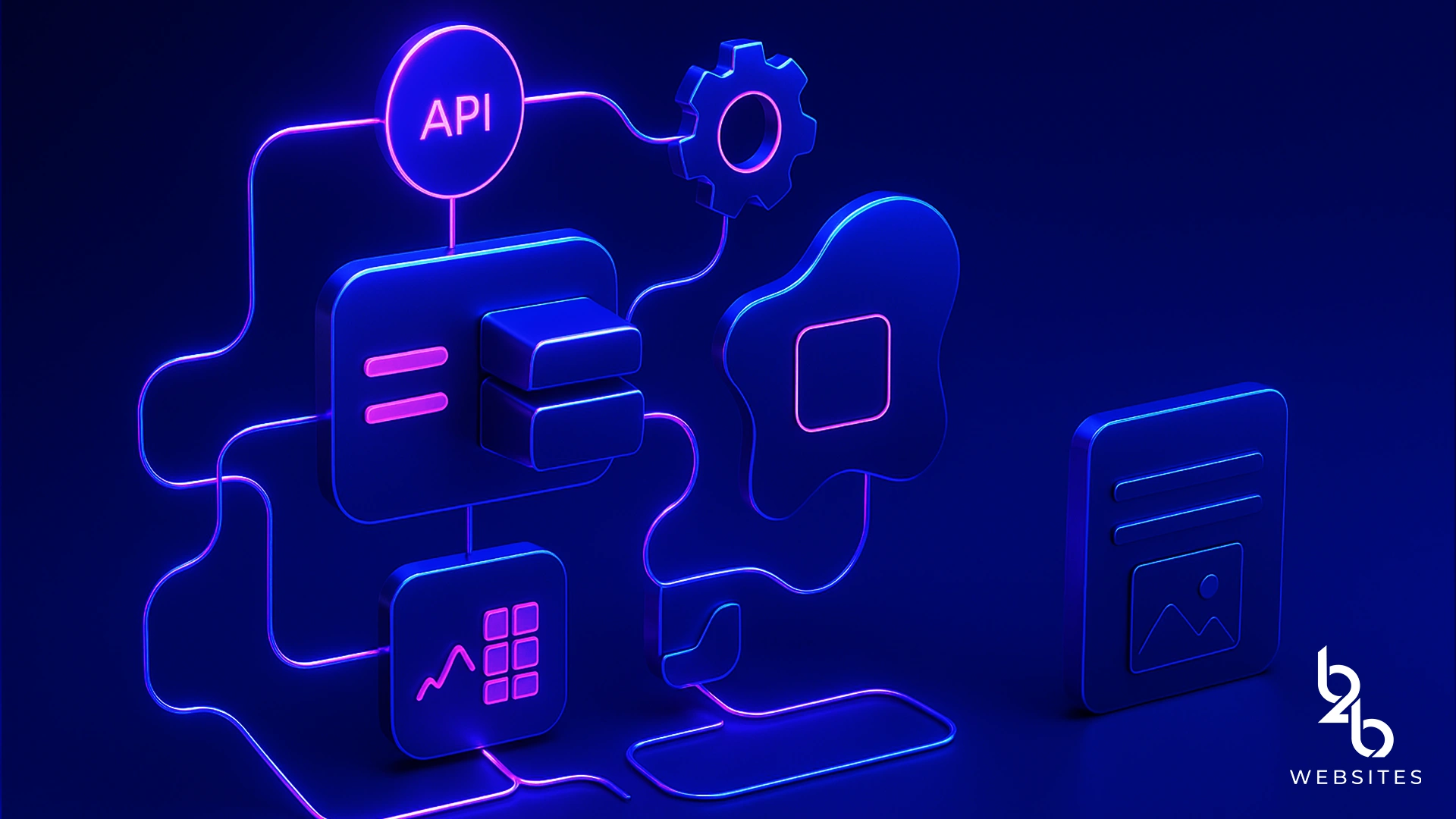
Custom websites offer unmatched flexibility because developers can create, integrate, and refine any feature you need. Templates allow some level of modification, but they cannot accommodate advanced workflows or bespoke functionality without significant workarounds. If your business operations or customer journey involve unique steps, custom design will serve you far better.
Why Does Custom Design Provide More Flexibility?
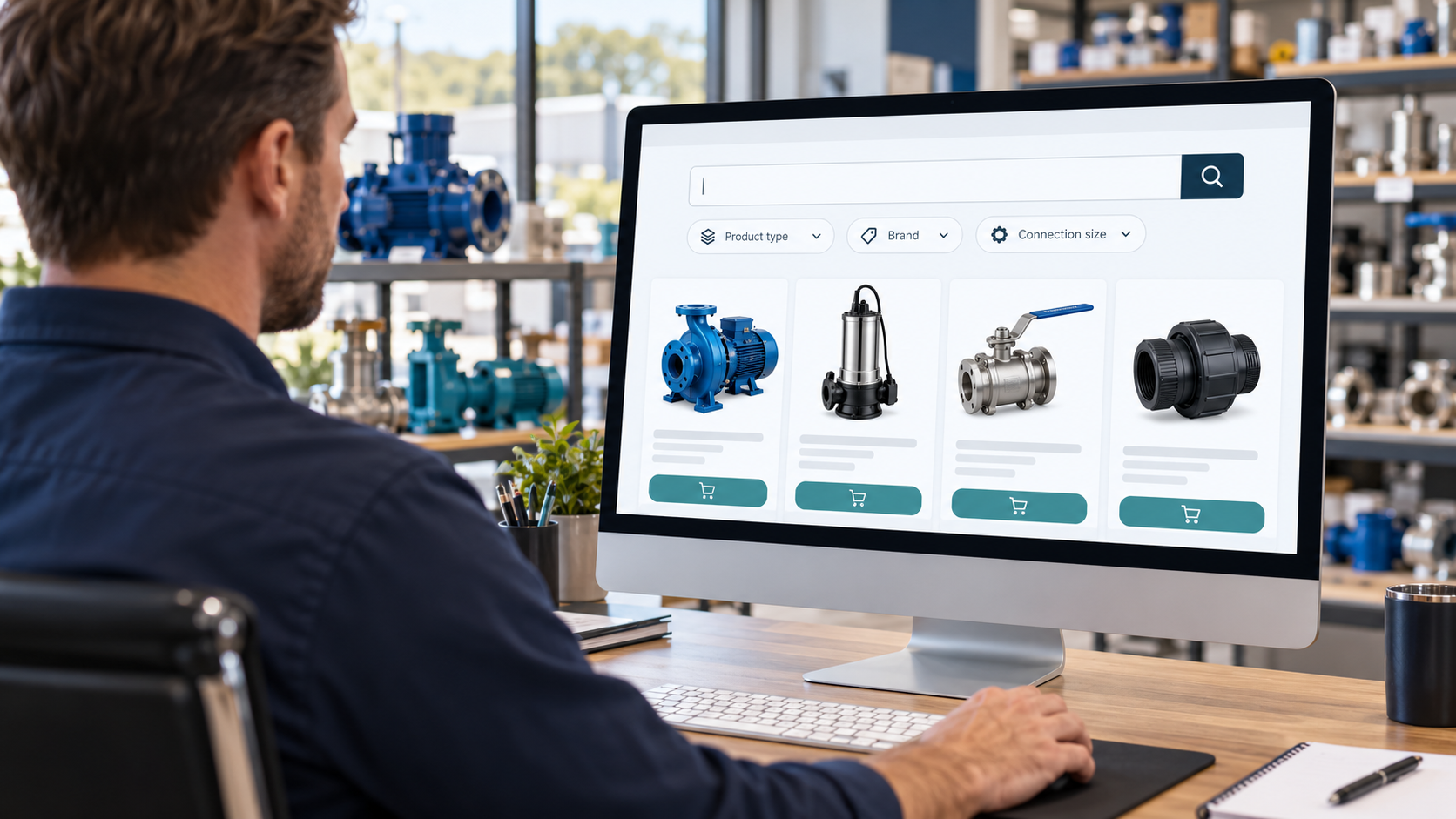
Custom design gives developers full freedom to build components, interactions, and features tailored to your operations. Whether you need advanced calculators, product filtering, automated workflows, or custom dashboards, these can be designed around your process. Templates are rigid, and every advanced feature depends on plugin limitations.
Which features almost always require custom design?
- Multi-step forms or quoting systems
- Advanced product filters
- API-based integrations
- Membership portals
- Custom user dashboards
People Also Ask
Can templates support custom integrations?
Sometimes, but reliability varies and limitations appear quickly.
Are custom features more stable?
Yes. They are built specifically for your system and needs.
Which One Is Easier to Maintain and Keep Updated Long Term?
Templates feel easy at first because you can edit content quickly, but they create long-term maintenance challenges. Theme updates can break layouts. Plugins may conflict with each other. Custom builds avoid this because they rely on intentional design systems and clean code. This structure reduces risk and makes content updates smoother.
Why Are Custom Websites Easier To Maintain in the Long Run?
Custom websites are built with structured components, organised CMS collections, and a predictable editing framework. This significantly reduces issues during updates. Templates rely on layered systems of plugins, styling overrides, and third-party scripts that become fragile with time. Developers often need to fix broken components caused by theme updates.
Which maintenance advantages come from custom-built sites?

- Reduced theme conflicts
- Organised CMS structures
- Predictable component updates
- Fewer plugin dependencies
- Stable long-term editing
People Also Ask
Do template sites break more often?
Yes, especially when themes or plugins update.
Is custom code difficult to maintain?
Not when the codebase is clean and properly documented.
Summary: Choose the Website Approach That Matches Your Future Plans
Custom web design and template websites both have a place in the digital world. Templates serve early-stage businesses that need a quick and affordable online presence. Custom design serves growing Australian SMEs that require brand strength, performance, automation, scalability, and functionality beyond what templates can offer. The decision ultimately depends on your future goals, not just your current budget.
A custom website becomes a long-term business asset when it is planned, designed, and built correctly. It supports lead generation, SEO, performance, and ongoing expansion. If you want more guidance on UX, design, and digital strategy, explore our media hub for detailed articles written for Australian business owners.
If you are ready to explore a custom solution tailored to your goals, our team is here to help you plan a website that grows with your business.
FAQs
1. Is custom web design better for growing businesses?
Yes. Custom design gives you flexibility, scalability, and strong brand presence.
2. Are template websites good enough for small businesses?
Yes, if you only need a simple online presence without advanced features.
3. Does custom design improve SEO?
Custom websites often achieve better SEO because they load faster and use cleaner structure.
4. Are template websites harder to scale?
Often yes. Template limitations can restrict layouts and advanced features.
5. Is custom design more expensive long term?
No. In many cases it reduces future expenses because it prevents rebuilds and plugin issues.
6. Can a business start with a template then upgrade later?
Yes. Many SMEs start with templates and transition once they need more control.






%2520-%2520Main%2520Image.jpeg)
Versatility Across All Platforms


How can i help you today?


