

How Much Does Custom Web Design Cost in Australia?

Custom web design in Australia usually costs between 5,000 and 25,000 dollars, depending on scope, features, design requirements, and the platform you choose. This range reflects the work involved in strategy, UX planning, visual design, development, integrations, and testing. Unlike template-based websites, custom builds are created from the ground up to match your brand and goals, which is why the investment varies significantly.
The price also depends on how deep your customisation goes, such as whether you need custom-coded components, animations, integrations, CMS structures, or a full design system. For Australian businesses, especially those in competitive markets, custom web design provides long-term value by improving performance, user experience, SEO, and conversion rates. This guide breaks down the details so you understand exactly what you are paying for.
What Factors Influence the Cost of Custom Web Design in Australia?
Custom web design pricing is shaped by the amount of planning, UX strategy, design, and development needed. The more unique or complex your requirements, the higher the investment. Costs vary based on page count, layout variety, functionality, custom code, integrations, platform selection, and the level of optimisation required. Australian SMEs often need features that templates cannot handle, which is why custom builds are usually more comprehensive and therefore more expensive.
How Do Website Size and Structure Affect the Price?
Website size is one of the biggest pricing variables because each page requires planning, layout design, content structure, and testing. A large site with multiple page types takes longer to map out than a simple five page build. Custom sites also require the creation of design systems, component libraries, and scalable structures rather than relying on pre built templates. This additional work ensures long-term consistency and flexibility.
What pages usually increase the cost because they require more planning or custom layouts?
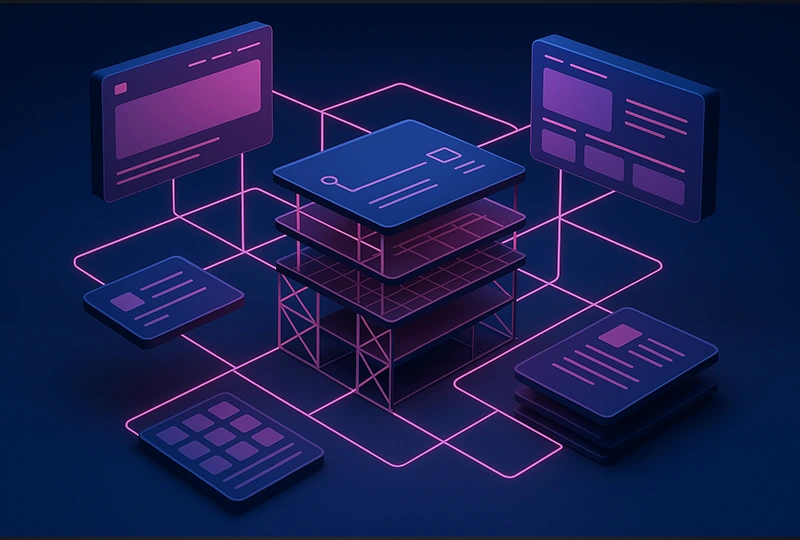
- CMS-driven landing page templates
- Multi-section service or industry pages
- Dynamic portfolio or case study systems
- Custom form logic or conditional forms
- Product templates built with custom fields
People Also Ask
Do more pages always mean a higher cost?
Generally yes. More pages mean more design and development time, especially if the layouts differ.
Can modular designs help reduce cost?
Yes. Using reusable components can significantly reduce expenses.
How Do Design Complexity and Visual Requirements Affect the Price?
Design complexity affects cost because detailed visuals, custom UI elements, and advanced interactions require more hours of design and development. Many Australian businesses prefer strong visual identity, which often involves creating branded icon systems, illustrations, tailored typography, and responsive layout adjustments. Websites with high attention to design detail also require extra testing across devices to maintain visual consistency.
What Design Elements Increase the Cost of a Custom Website?
Complex visual features and interactive elements require additional planning, design, and technical work. This includes custom illustrations, animations, and transitions that enhance the user experience but add to the project timeline.
What design features typically cost more because they require additional effort?
- Custom design systems and component libraries
- Webflow or JavaScript based interactions
- Branded iconography and illustration packs
- Tailored mobile-specific layout refinements
- Scroll-triggered animations and transitions
People Also Ask
Are animations necessary for a modern website?
Not always, but carefully implemented animations improve engagement and perceived brand quality.
Do advanced visuals slow down websites?
If optimised correctly, no. Poor implementation is usually the issue.
How Do Platforms Like Webflow, WordPress, or Shopify Change the Cost?
Platform choice affects cost because each system requires different approaches to customisation. Webflow is known for visual freedom and clean development. WordPress provides powerful content capabilities but often requires plugin management and occasional custom coding. Shopify specialises in e commerce but may require custom templates or app integrations. Each platform influences the development hours required.
What Should a Business Consider When Choosing a Platform for Custom Design?
Your platform should match your website purpose. Service-based businesses often choose Webflow for design flexibility. Content-heavy websites tend to favour WordPress. E commerce brands usually rely on Shopify due to its robust store features. Custom design adapts these platforms to your needs, and platform-specific complexity influences the total cost.
Which platform factors impact pricing the most?
- Required plugins or apps
- E commerce features or inventory systems
- Custom code requirements
- Hosting and maintenance needs
- Editing flexibility for your team
People Also Ask
Is Webflow more expensive for custom sites?
It can be slightly higher upfront but often saves money long term due to lower maintenance.
Does Shopify cost more to customise?
Often yes. E commerce features increase build time.
Across Australia, platform choice is only one factor that shapes the final cost of a website, and if you want a clearer view of how pricing can differ at a local level you can explore our guide on the cost of websites for small businesses in Brisbane.
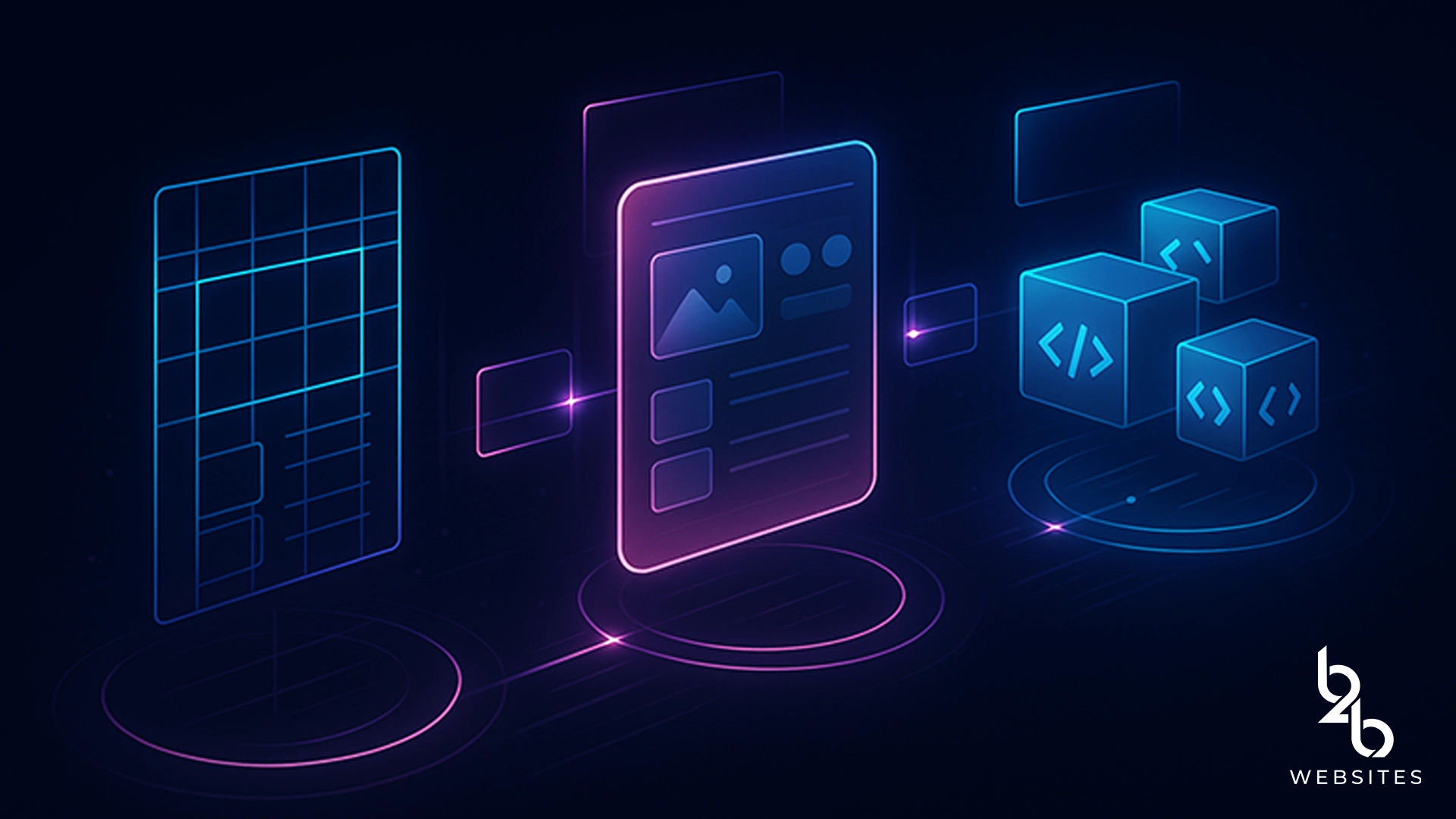
How Does the Custom Web Design Process Affect Total Cost?
The design process involves strategy workshops, UX mapping, wireframing, design, development, testing, and optimisation. Each stage requires expertise and time. Custom design is far more involved than template builds because every element must be intentionally designed and developed from scratch. The more advanced your requirements, the more time each stage takes.
What Happens in a Custom Web Design Project?
A full custom design project starts with discovery and planning, followed by UX wireframes, design system creation, UI design, development, content population, SEO setup, quality assurance, and launch. Each step builds on the previous one, making a structured process essential.
What stages add the most cost due to planning and development time?
- UX and wireframe creation
- Design system and component library creation
- Custom-coded functions and integrations
- CMS architecture for dynamic content
- Full device and browser testing
People Also Ask
How long does custom web design take?
Most projects take four to twelve weeks depending on complexity.
Is design strategy worth the cost?
Yes. Strategy reduces costly revisions later.
How Do Special Features and Integrations Influence Cost?
Custom websites often require advanced features such as booking systems, CRM integrations, filtering tools, multi step forms, or automated workflows. These features require more development time because they involve APIs, custom coding, or third party systems. Australian businesses often invest in these because they improve efficiency, eliminate manual processes, and enhance user experience.
What Features Are Considered Advanced in Custom Websites?
Advanced features go beyond simple visual design or information pages. They involve dynamic data, user interactions, and integrated functionality that requires extra planning and technical work.
What advanced features typically add cost to a custom website build?
- API based integrations
- Multi step calculators or quoting tools
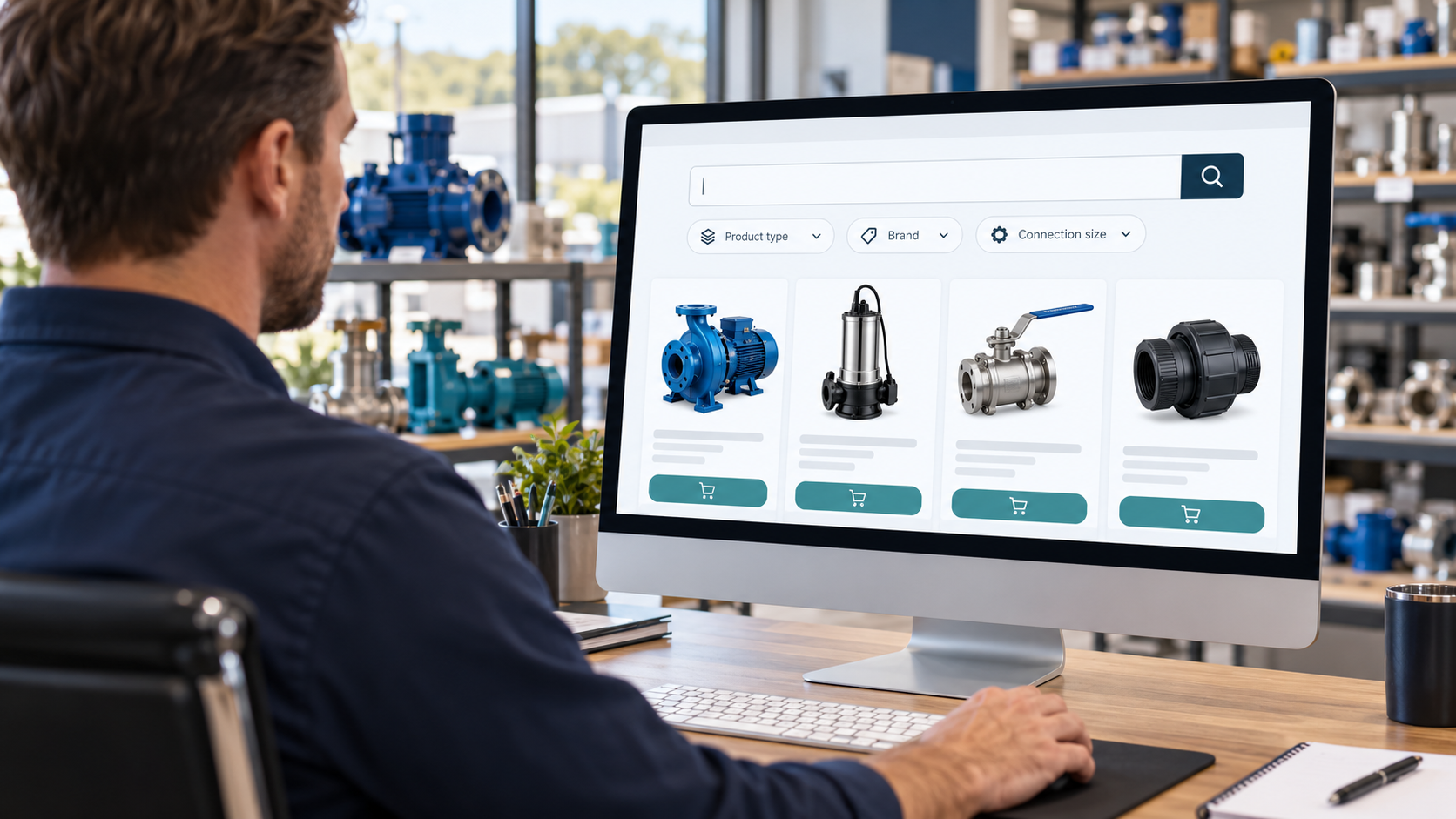
- Product filtering and search systems
- Automated CRM or email workflows
- Customer dashboards or portals
People Also Ask
Are advanced features worth the investment?
Yes. They increase conversions and streamline operations.
Can these features be added later?
Yes, but planning them early saves time and cost.
How Do Content, SEO Structure, and Copywriting Affect the Price?
Content and SEO structure significantly influence cost because they shape the website layout and user experience. Professional content must be planned alongside UX, and SEO structure requires keyword mapping, internal linking, schema setup, and metadata creation. Custom builds often include content modelling for CMS pages, which requires additional setup.
Why Does Content Strategy Impact Custom Web Design Cost?
Content determines hierarchy, engagement, conversion flow, and SEO relevance. Poorly planned content increases revisions and slows down the design process, while strategic content speeds up development and improves results.

What content tasks increase the total investment?
- UX aligned copywriting for CTAs and headings
- CMS driven content organisation
- SEO keyword strategy and planning
- Schema and metadata setup
- Location or service landing pages
People Also Ask
Can I supply my own content?
Yes, but professionally crafted content often performs better.
Is SEO included?
Basic technical SEO is often included. Advanced SEO is separate.
Are There Ongoing or Hidden Costs After the Website Is Built?
Yes. All websites require ongoing hosting, updates, and maintenance. WordPress requires more frequent updates. Webflow has higher hosting fees but includes security and performance. Shopify requires ongoing platform and app fees. Custom sites also require occasional updates to features or content.
What Ongoing Costs Should Australian Businesses Expect?
Expect hosting, app or plugin fees, maintenance, support, and domain renewal. Custom websites reduce the need for early rebuilds but still require care to stay secure and up to date.
What ongoing costs are most common for custom-designed websites?
- Hosting fees
- Domain renewal
- Plugin or app fees
- Maintenance plans
- Custom feature updates
People Also Ask
Do custom websites last longer?
Yes. They are built for scalability and longevity.
How often should I update my site content?
Monthly for content and quarterly for technical updates.
Smart Investment, Long-Term Value: Why Custom Web Design Costs What It Does
Custom web design delivers lasting value because it focuses on strategy, performance, brand differentiation, and user experience. The investment reflects the depth of planning, design, and development needed to create a website that supports Australian businesses as they grow. A well-built custom website reduces future rebuild costs and performs better in search, conversions, and overall usability.
In the long run, investing in custom web design means investing in your brand, your customers, and your growth. If this guide helped you understand the cost factors, explore more practical articles in our media hub for deeper insights into design, development, and digital strategy.
If you are ready to create a custom website that reflects your brand and supports your business goals, our team can help you map out the right path forward and build something tailored for your success.
FAQs
1. What is the average cost of custom web design in Australia?
Most businesses pay between 5,000 and 25,000 dollars depending on scope and complexity.
2. Why is custom design more expensive than using templates?
It requires strategy, planning, UX, design systems, and development tailored to your needs.
3. Does platform choice affect cost?
Yes. Shopify, Webflow, and WordPress differ in technical requirements.
4. Does custom design include revisions?
Most agencies include a set number. Extra revisions may cost more.
5. Do I need ongoing maintenance?
Yes. Regular updates keep your site secure and functional.
6. How long before custom design pays off?
Most businesses see ROI within three to twelve months.





%2520-%2520Main%2520Image.jpeg)
Versatility Across All Platforms


How can i help you today?


