

What Is Custom Web Design and How Does It Work for Australian Businesses?

Custom web design is the process of creating a website built specifically for your business rather than relying on pre-made templates or drag-and-drop themes. It focuses on tailored branding, strategic user experience, and performance that aligns with your goals. For Australian businesses, custom web design means having a site designed to convert local audiences, support growth, and integrate seamlessly with the tools you use every day.
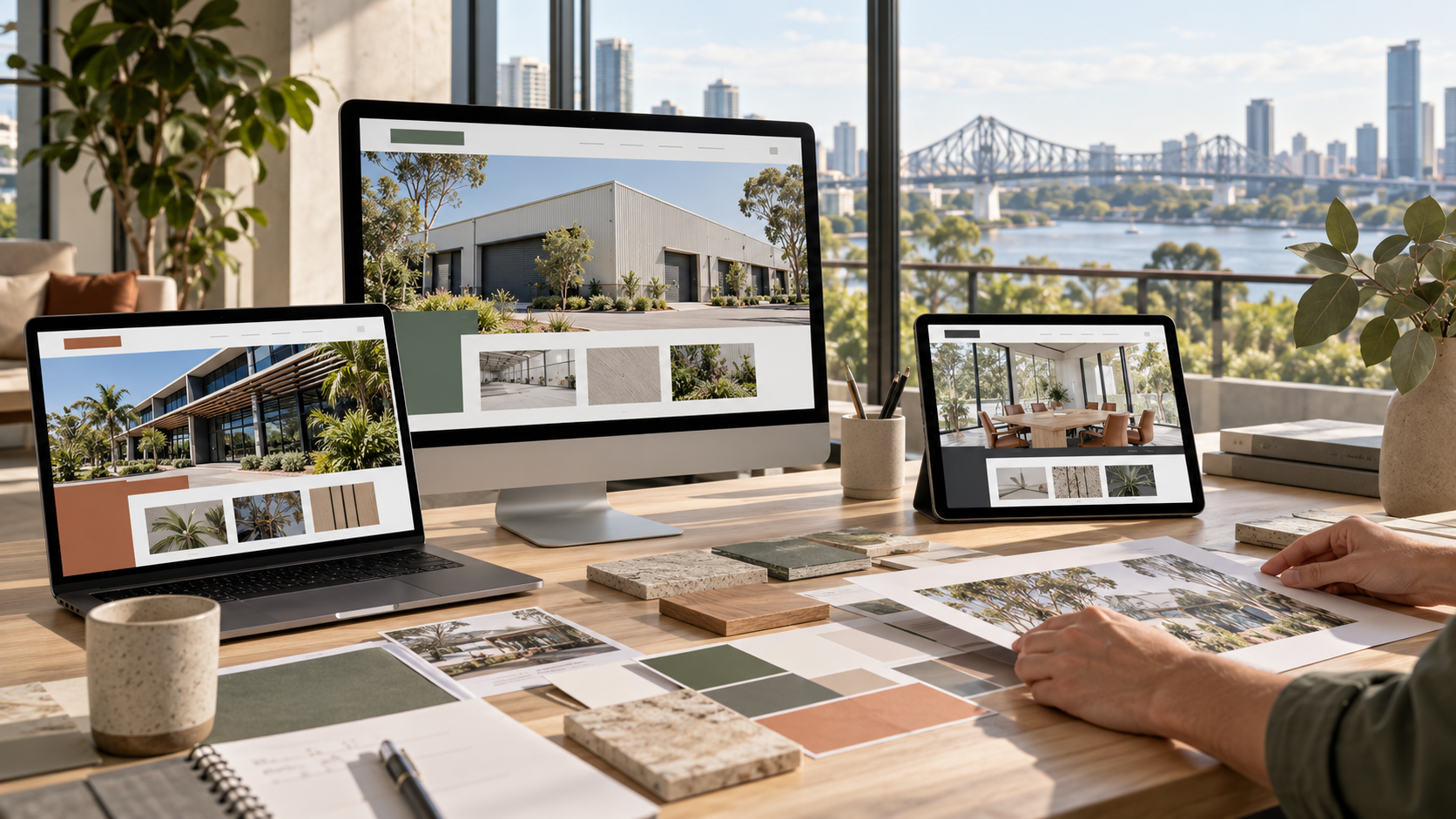
Custom-designed websites work by combining UX strategy, development, platform selection, and brand-led aesthetics into a single, unified experience. Unlike templates that are limited in structure and functionality, custom builds allow you to create features, animations, layouts, and conversions that match your business model. This approach gives you control, flexibility, and room to evolve which is essential for SMEs operating in competitive markets like Brisbane, Sydney, Melbourne, Perth, and regional Australia.
How Does Custom Web Design Actually Work From Start to Finish?
Custom web design works through a structured process that includes planning, discovery workshops, brand alignment, UX strategy, development, testing, and launch. For Australian SMEs, this process ensures every element of the website is intentionally crafted to support lead generation, service delivery, or e-commerce performance. It blends creative thinking with technical execution, making sure the final product reflects your market positioning, audience needs, and internal operations.
What Happens During the Discovery and Planning Phase?
The discovery phase defines the direction of the entire project by clarifying your goals, audience, functionality needs, platform preferences, and brand identity requirements. This phase ensures the entire design and build aligns with actual business objectives instead of superficial aesthetics.
What does an Australian business usually need to clarify during discovery before custom design starts?
- Your primary business goals for the website
- Key features or pages you must include
- SEO, content, and lead-generation requirements
- Branding guidelines and creative direction
- Any integrations needed (CRM, booking tools, payments)
People Also Ask
Do I need branding before starting a custom web design project?
Branding is recommended but not mandatory. A good custom web design process can refine or expand your brand identity.
How long does the discovery phase usually take for Australian SMEs?
Most discovery phases take one to two weeks, depending on stakeholder availability and project complexity.
Why Do Australian Businesses Choose Custom Web Design Over Templates?
Australian businesses choose custom design because it delivers a website uniquely suited to their market, industry, and long-term growth. Templates can limit creativity, reduce functionality, and often require heavy workarounds to achieve a professional look. Custom design, meanwhile, adapts to the customer journey, brand voice, and user expectations, helping SMEs stand out from competitors who rely on generic layouts.
What Advantages Does Custom Web Design Offer Compared to Templates?
Custom-built websites provide flexibility, scalability, and higher-quality user experiences. They allow you to create unique page layouts, integrate advanced features, and maintain full control over performance and SEO. Templates might be cost-effective initially, but they often limit long-term growth and don’t differentiate your business in crowded markets.
What specific advantages will an Australian business notice when switching from a template site to a custom design?
- Stronger brand identity and visual consistency
- Better performance and faster page load times
- Custom features designed for your workflow
- Improved SEO structure and technical setup
- Future-proof scalability without limitations
People Also Ask
Are templates ever enough for small businesses?
Templates are fine for very early-stage businesses but limiting once you start scaling or need unique functionality.
Is custom design better for SEO?
Yes. Custom websites allow better structure, schema, speed optimisation, and content control which boosts rankings.

How Does Custom Web Design Improve User Experience and Conversion Rates?
Custom web design improves user experience by tailoring navigation, content hierarchy, visuals, and actions to real audience behaviour. Instead of forcing your business into a pre-made structure, custom design builds a journey that guides users toward enquiries, purchases, or booking actions. For Australian SMEs, this is critical in competitive industries where customers expect speed, clarity, and trustworthy design.
What UX Elements Are Developed During a Custom Web Design Project?
UX development includes wireframes, user-flow mapping, content strategy, mobile behaviour planning, and interface design. These elements are built around your target audience’s habits whether local customers in Brisbane or national audiences across Australia.
What UX improvements matter most to Australian users who browse SME websites?
- Fast-loading pages
- Mobile-first layout
- Clear service or product information
- Simple navigation with minimal friction
- Prominent calls-to-action and contact options
People Also Ask
Is mobile-first design essential for Australian businesses?
Yes. Over 70 percent of Australian website traffic is mobile. Mobile-first is no longer optional.
Does UX design influence SEO?
Absolutely. Search engines prioritise fast, usable, well-structured websites with low bounce rates.
How Do Platforms Like Webflow, WordPress, and Shopify Support Custom Web Design?
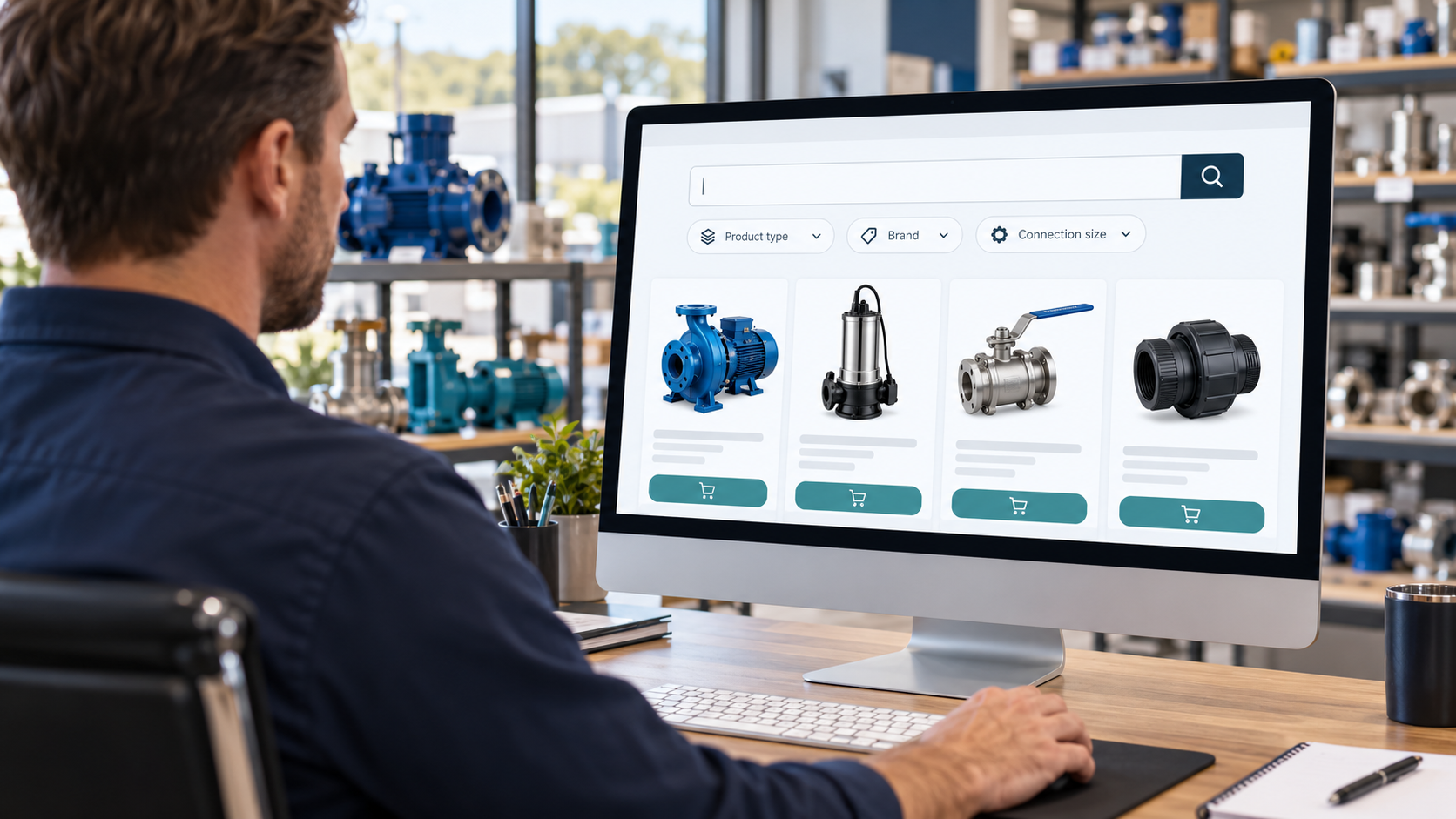
Webflow, WordPress, and Shopify all allow custom design but differ in flexibility, integrations, and control. Australian SMEs often choose Webflow for visual design control, WordPress for content-heavy websites, and Shopify for e-commerce stores. Custom web design tailors the platform to business requirements rather than forcing you into a rigid system.
How Does Custom Web Design Work Across These Platforms?
Each platform has strengths that custom design can enhance. Webflow gives designers full control over structure and style. WordPress enables content, blogging, and integrations. Shopify excels in product management and checkout flows. Custom design allows you to push each platform beyond what templates can achieve.
What should an Australian business consider when choosing a platform for custom web design?

- Type of website (content-heavy, service-based, or e-commerce)
- Required integrations (CRM, bookings, inventory, payments)
- Editing needs (how often you update your site)
- Budget and long-term scalability
- Performance goals
People Also Ask
Can Webflow handle custom code?
Yes. Webflow supports low-code and custom-code flexibility for advanced features.
Which platform is best for custom e-commerce design?
Shopify generally leads in e-commerce reliability, but Webflow is strong for brand-focused stores.
What Does a Custom Web Design Project Cost in Australia?
Custom design costs vary depending on scope, platform, complexity, and required features. Most Australian SMEs pay between $5,000 and $25,000 for a custom website, with larger projects exceeding that range. Cost is tied to strategy, UX, design, development, integrations, SEO setup, and long-term scalability.
What Determines the Cost of a Custom Website?
Costs are shaped by the number of pages, custom features, design complexity, integrations, animations, and ongoing support. A basic service website is cheaper than a feature-rich e-commerce build.
What factors increase the cost of custom web design for SMEs in Australia?
- E-commerce functionality
- Booking systems or custom forms
- API integrations
- Advanced animations or interactions
- Extensive content strategy and copywriting
People Also Ask
Is custom web design expensive for small businesses?
It can be, but SMEs benefit from long-term ROI and reduced future rebuilds.
Are there ongoing costs after a custom website is built?
Yes, typically hosting, maintenance, platform fees, and updates.
How Do Australian Businesses Measure the ROI of Custom Web Design?
ROI is measured through traffic growth, conversion improvements, reduced bounce rates, better brand trust, and increased leads or sales. Custom websites let you track metrics more accurately because the structure, analytics setup, and user flow are intentionally designed for performance.
What ROI Metrics Should SMEs Track After Launch?
Metrics include conversion rate, page engagement, lead quality, repeat visitors, page speed, and search engine ranking improvements. These show whether your custom website is turning visitors into customers.
What ROI signals show that custom web design is working effectively?
- Higher enquiry or purchase rates
- Growth in organic traffic
- Stronger time-on-page metrics
- Better ranking for local and industry keywords
- Easier internal workflows and content updates
People Also Ask
How long before I see ROI from a custom website?
Most businesses see early signs in 4–12 weeks, with long-term ROI over 6–12 months.
Can analytics help measure ROI more accurately?
Yes. Tools like GA4, Hotjar, and CRM tracking show real behavioural improvements.
Why Is Custom Web Design Important for Local SEO in Australia?
Custom web design strengthens SEO by enabling clean code, fast load times, structured content, schema markup, and mobile-first design. Local SEO benefits from unique content, locally optimised landing pages, and strong user experience which are all easier to implement in custom builds.
How Does Custom Design Influence SEO Results?
SEO success depends on structure, speed, mobile optimisation, and content clarity which are areas where custom websites excel. Templates often contain bloated code or plugin bloat that harms rankings, while custom builds keep everything lean.
Which SEO improvements do Australian businesses notice first after a custom build?
- Faster indexing by Google
- Higher ranking for local service keywords
- Reduced bounce rates
- More organic enquiries or bookings
- Clean URLs and schema enhancements
People Also Ask
Is SEO included in custom web design?
Many agencies include foundational SEO, but advanced SEO is often a separate service.
Do template websites rank as well as custom ones?
They can, but they’re often limited by slow speed, poor structure, or lack of customisation.
Summary: Why Custom Web Design Matters for Australian Businesses
Custom web design gives Australian businesses a competitive edge by delivering websites built for performance, scalability, branding, and user experience. It ensures your site aligns with how Australians search, browse, and buy online. With a tailored design and strong technical foundation, your website becomes an asset that drives long-term growth rather than a generic placeholder.
Investing in custom web design empowers SMEs to outperform competitors relying on templates or outdated layouts. By focusing on UX, SEO, branding, integrations, and speed, your website becomes a fully optimised digital tool that supports business goals every day.
If you enjoyed this in-depth guide, explore more insights in our media hub. We publish actionable, practical articles designed for real Australian businesses. And if you need help creating a custom website that truly reflects your brand and growth goals, our team is here and ready to support you.
FAQs
1. Is custom web design better than using templates?
Yes. Custom design provides flexibility, performance benefits, and branding advantages that templates often lack.
2. How long does a custom website take to build?
Most projects take four to twelve weeks depending on complexity and platform.
3. Does custom web design help with SEO?
Absolutely. Custom websites are faster, cleaner, and easier to optimise for search engines.
4. Can small businesses in Australia afford custom websites?
Yes. Many SMEs invest in custom websites for long-term ROI, reduced maintenance, and better conversions.
5. Do custom websites need ongoing maintenance?
Yes. All websites need updates, security checks, and optimisations, regardless of platform.
6. Which platform is best for custom web design?
Webflow is best for visual control, Shopify for e-commerce, and WordPress for content-heavy sites.





%2520-%2520Main%2520Image.jpeg)
Versatility Across All Platforms


How can i help you today?


