

What Are Integrated Software Solutions for Websites That Function as Business Systems?
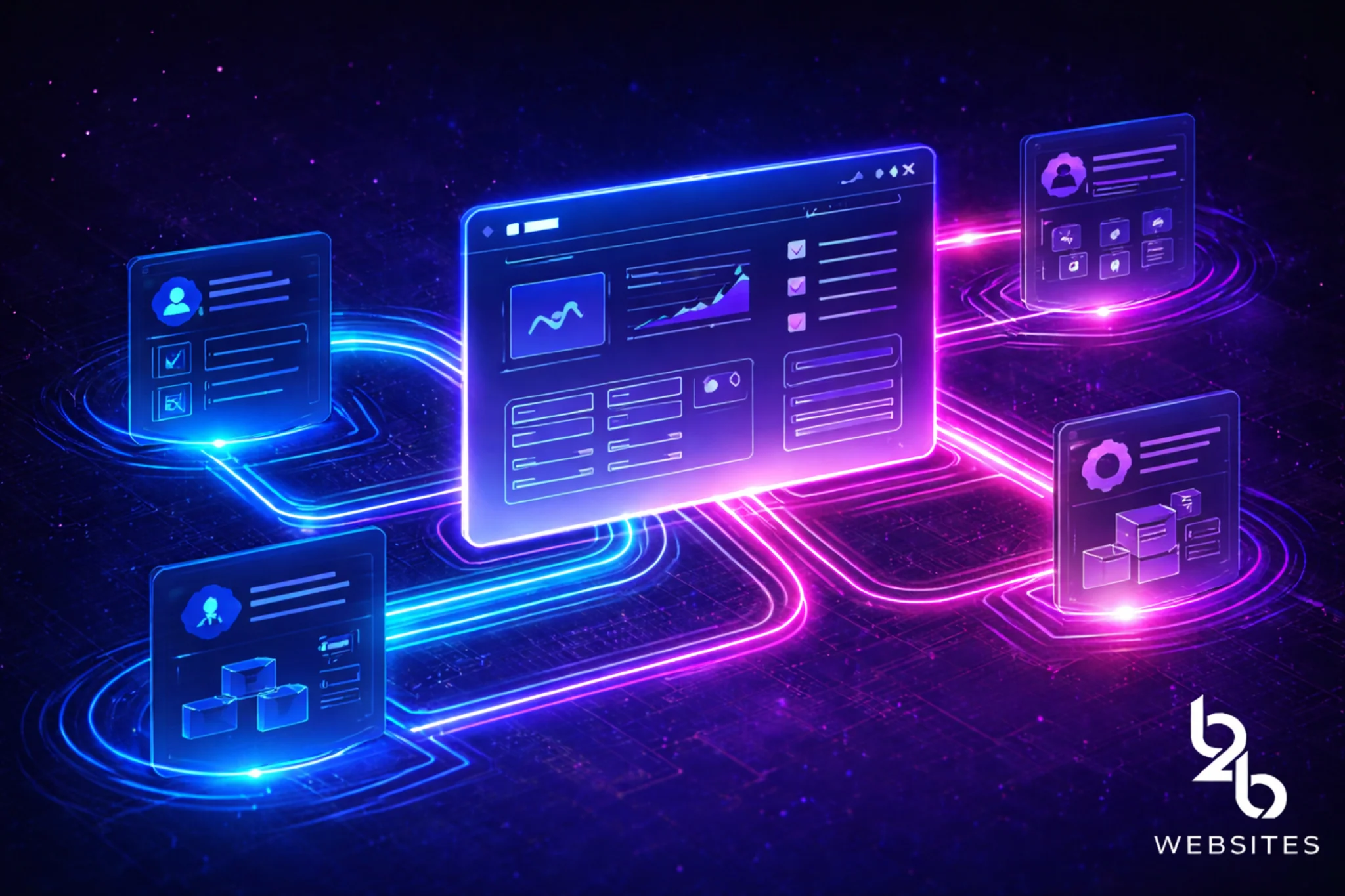
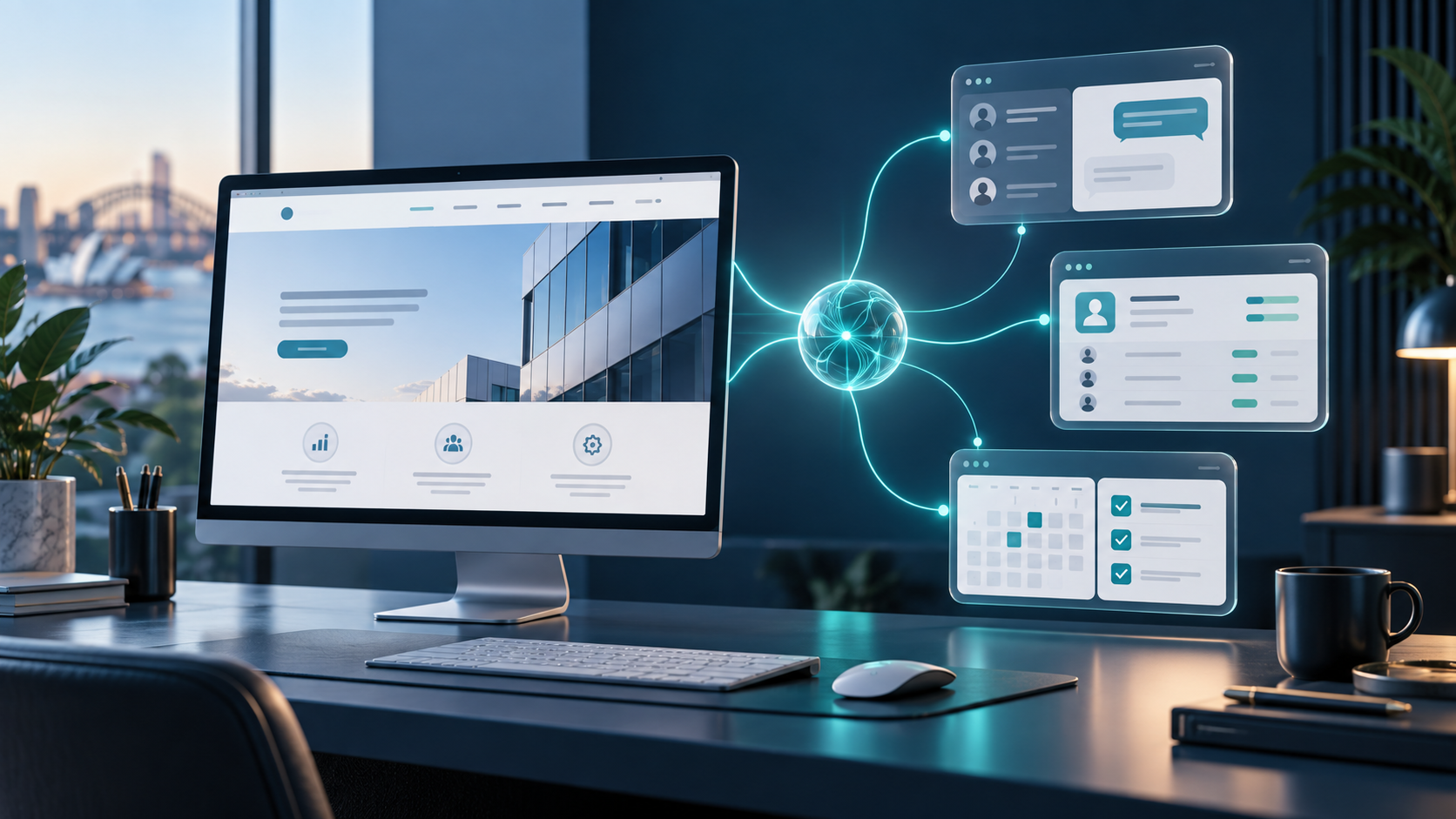
Integrated software solutions transform websites into connected business systems by linking them directly to internal tools, live data, and operational workflows. Instead of operating as isolated digital assets, integrated websites participate in how a business runs day to day, supporting automation, accuracy, and consistency across teams and platforms.
At a practical level, this shift changes the role of a website entirely. Rather than simply presenting information or collecting enquiries, the website becomes an interface through which customers, staff, and partners interact with core business systems. This allows organisations to reduce manual processes, respond faster, and scale operations without adding unnecessary complexity or overhead.
Integrated software solutions are best understood as an architectural approach rather than a single tool or platform. They focus on how systems connect, how data moves, and how users interact with that data through the web. By aligning the website with internal operations, businesses create a digital foundation that supports growth, adaptability, and long-term efficiency.
This approach reflects a broader shift in how the web is used. Modern organisations increasingly rely on their websites not just for visibility, but for execution. When designed as part of an integrated system, a website becomes a functional extension of the business rather than a separate marketing channel.
How Does an Integrated Website Differ from a Traditional Standalone Site?
An integrated website differs from a traditional standalone site by actively connecting to internal systems instead of operating as an isolated destination. While traditional websites display content and collect enquiries, integrated websites communicate directly with platforms such as CRMs, accounting software, inventory tools, or support systems.
In an integrated setup, data submitted on the website is synchronised automatically across systems in near real-time, based on the capabilities and constraints of each connected platform. This reduces delays, limits duplication, and improves consistency across the organisation. By contrast, standalone sites rely heavily on manual follow-up and data handling behind the scenes.
As a result, the website shifts from being purely presentational to becoming part of the operational workflow. It supports transactions, updates records, triggers actions, and provides access to current system data.
Why do integrated websites behave more like operational systems than marketing assets?
Integrated websites behave more like operational systems because they execute workflows and update business data rather than simply displaying content. They are designed to trigger actions, synchronise information automatically, and reflect system states instead of acting as static presentation layers. This fundamentally changes how the website is used internally and externally.
This shift becomes clear when you look at what actually changes once a website is integrated with business systems:
- Data entered once is reused across multiple systems
- Actions on the website trigger operational processes
- Information displayed reflects up-to-date system data
- Manual hand-offs between teams are reduced
- The website supports both customer and internal use cases
People also ask
Does an integrated website replace internal business software?
No. It connects to existing systems and acts as an interface rather than a replacement.
Can a traditional website be upgraded into an integrated system?
Yes. Many businesses progressively integrate their existing websites over time.
Why Is Data Synchronisation Central to Integrated Software Solutions?
Data synchronisation is central to integrated software solutions because it allows multiple systems to operate as a single, coordinated environment rather than isolated tools. Without synchronisation, integration exists only in name, as data quickly becomes fragmented, outdated, or inconsistent across platforms.
In an integrated architecture, data is synchronised automatically between systems in near real-time, where supported. Updates made in one system are propagated to others without requiring constant manual intervention, improving reliability and coordination. While perfect real-time synchronisation is not always possible, automated syncing dramatically reduces delays and dependency on manual processes.
From a leadership perspective, synchronised systems provide more dependable reporting and decision-making. As operations scale, automated synchronisation allows higher transaction volumes to be handled efficiently, while still requiring appropriate human oversight for exceptions and edge cases.
What practical advantages come from synchronising website data with internal systems?
Synchronising website data with internal systems delivers consistency, accuracy, and operational efficiency across integrated environments. It minimises manual reconciliation and reduces the likelihood of conflicting information between departments. These advantages compound as system complexity and transaction volumes increase.
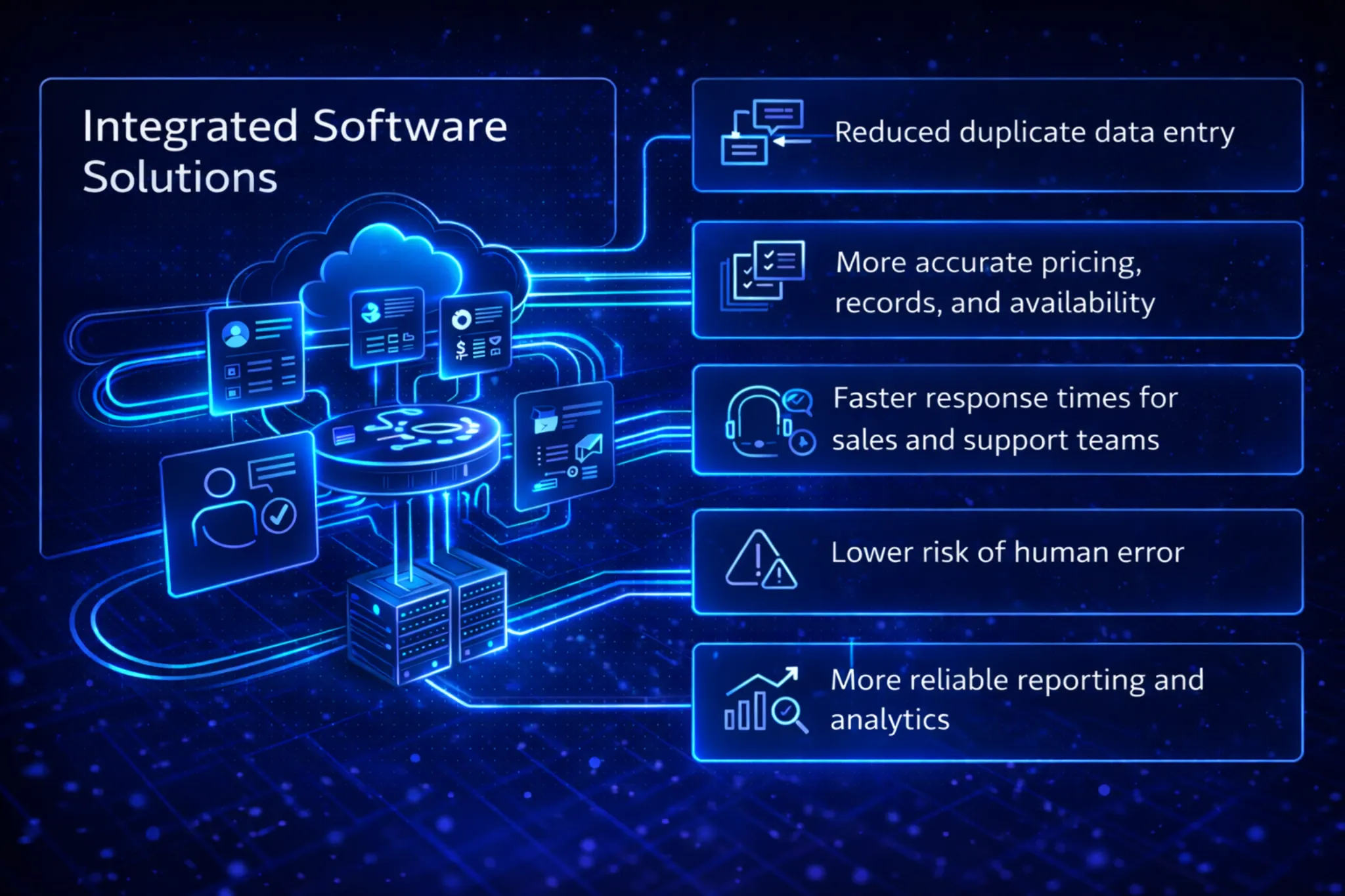
In day-to-day operations, this impact is most visible in the following areas:
- Reduced duplicate data entry
- More accurate pricing, records, and availability
- Faster response times for sales and support teams
- Lower risk of human error
- More reliable reporting and analytics
People also ask
Does data synchronisation make integrated systems more complex?
When designed properly, it simplifies operations by removing repetitive manual steps.
Is near real-time synchronisation always necessary?
No. The appropriate synchronisation frequency depends on business needs, risk tolerance, and third-party system limitations.
What Are the Core Components of an Integrated Website System?
The core components of an integrated website system include user interfaces, backend platforms, and an integration layer that connects them. Together, these components allow websites to support real business operations without becoming overly complex or fragile.
User interfaces are where customers, staff, or partners interact with the system. Backend platforms store and process business data, while the integration layer manages automated data exchange between systems.
The effectiveness of an integrated system depends on how well these components are separated and coordinated, allowing change without disruption.
How do these components work together in practice?
These components work together by separating user interaction, data processing, and system communication into coordinated layers. Each layer has a distinct responsibility, which reduces fragility and simplifies future change. This structure allows systems to evolve without full rebuilds.
In practice, this separation creates flexibility rather than rigidity:
- Interfaces focus on user interaction
- Backend systems handle data and business logic
- Integration layers manage system-to-system communication
- Changes propagate reliably across platforms
- Growth does not introduce unnecessary duplication
People also ask
Is integration only relevant for large organisations?
No. Smaller businesses often benefit significantly from early integration.
Do all systems need to be connected at once?
No. Integration can be introduced gradually as priorities evolve.
How Do Integrated Software Solutions Work With Progressive Web Apps?
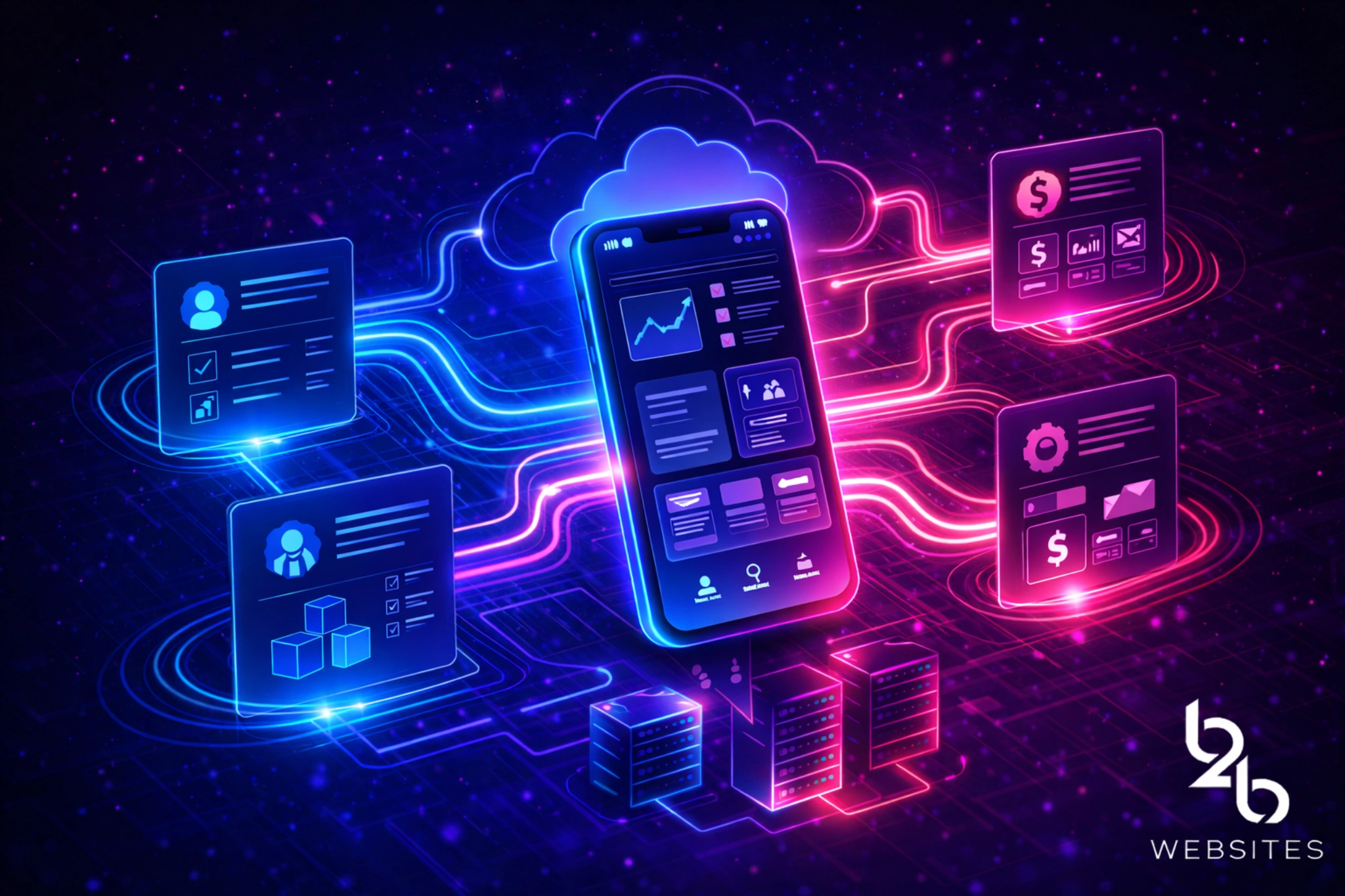
Integrated software solutions work with Progressive Web Apps by using them as the interface layer that connects users to live business data and backend systems. In this role, PWAs present workflows and functionality without replacing the platforms responsible for processing and storage.
PWAs bridge the gap between traditional websites and native applications by delivering a consistent, high-quality web-based experience across modern devices. They are well suited for most business workflows; however, for highly specialised hardware or operating-system-specific requirements, a discovery phase is required to determine whether a PWA or a native application is the best fit.
Why are PWAs commonly used as interfaces rather than standalone systems?
PWAs are commonly used as interfaces rather than standalone systems because they connect users to backend functionality without duplicating core platforms. They allow interaction with live workflows while keeping processing and storage in dedicated systems. This separation keeps architectures flexible and maintainable.
As an interface layer, PWAs offer several practical advantages:
- They present business functionality without replacing backend platforms
- They support ongoing, repeat user engagement
- They provide a consistent web-based experience across devices
- They integrate cleanly with existing systems
- They reduce friction compared to native app distribution
People also ask
Are PWAs the right choice for every integrated system?
No. The interface choice depends on the use case and technical requirements.
Do PWAs replace native mobile apps?
Not always. Each serves different needs depending on the business context.
How Do Integrated Software Solutions Improve Business Efficiency?
Integrated software solutions improve business efficiency by automating repetitive data flows and minimising manual intervention between systems. This reduces the time teams spend on administrative tasks while still allowing human oversight for validation and exception handling.
Integration also improves consistency across departments, reducing rework and improving customer experience. As systems scale, these efficiency gains compound without requiring proportional increases in staff or overhead.
Which parts of a business benefit most from integration?
Sales, operations, finance, and support teams typically benefit most from integrated systems. These functions rely heavily on timely, accurate information flowing between platforms. Integration reduces friction across each area.

In practice, the biggest efficiency gains usually appear in:
- Sales and lead management
- Customer support operations
- Inventory and order processing
- Billing and financial workflows
- Reporting and management oversight
People also ask
Will integration slow down my website?
When designed correctly, integration should not negatively affect performance.
Is automation always better than manual control?
Automation should support workflows, not replace necessary oversight.
How Do Integrated Systems Support Long-Term Scalability?
Integrated systems support long-term scalability by separating interfaces, data, and business logic so each part can evolve independently. This modular design allows businesses to adapt without rebuilding their entire digital infrastructure.
Scalability also includes supporting new processes, markets, and growth models over time without introducing instability.
What design principles support scalable integrated systems?
Scalable integrated systems rely on architectural separation, flexible integration points, and consistent data models. These principles reduce tight coupling and long-term rebuild risk. When applied early, they significantly lower technical debt.
Systems designed this way are better equipped to grow without breaking:
- Clear separation between interface and data layers
- Consistent data models
- Flexible integration points
- Avoidance of hard-coded dependencies
- Incremental expansion
People also ask
Can integration be added after a business has scaled?
Yes, but it is usually more complex.
Does scalability always require custom development?
Not always, but it is common for complex operations.
From Websites to Business Systems: A Strategic Shift
Integrated software solutions represent a fundamental shift in how organisations approach their digital presence. Instead of treating a website as a static endpoint for content or marketing, it becomes part of the operational infrastructure that supports how the business actually functions. This shift is driven by the need for systems that reflect real processes, not just surface-level experiences.
When a website is designed as part of a broader system, decisions about data flow, automation, and integration become strategic rather than reactive. The website moves from the edge of the organisation into its core, enabling clearer workflows, better data visibility, and more reliable operations. Over time, this approach reduces complexity by replacing disconnected tools and short-term fixes with a more deliberate, system-led architecture.
Building a Connected Digital Foundation
A connected digital foundation is built by designing systems that can evolve over time rather than attempting to integrate everything at once. Integrated software solutions provide this foundation by prioritising structure, separation of responsibilities, and controlled automation that reflects how teams actually work. This approach allows businesses to introduce new tools or interfaces without destabilising existing operations.
If you want to explore how integrated software solutions, system design, and modern web interfaces work together in practice, our media hub goes deeper into each of these areas with focused, real-world insights. And if you need help assessing your current setup or designing an integrated website system that fits how your business actually operates, we’re here to help you navigate the complexity and build it properly.
FAQs
What is the difference between software integration and a plugin?
Integration connects systems so data and workflows are shared; plugins add limited features to a single tool.
Does integration increase security risk?
In most cases, it reduces risk by limiting manual data handling.
Can small businesses afford integrated software solutions?
Yes. Integration can start small and grow over time.
Will integration affect website SEO?
It often improves engagement, which can support SEO performance.
How do I know if my business is ready for integration?
If teams regularly copy data between tools or reconcile inconsistencies, integration is likely needed.
Can Australian business tools be integrated with modern websites?
Yes. Many Australian platforms are designed to support integration.
Are Progressive Web Apps still relevant for B2B websites?
Yes. PWAs remain relevant for B2B websites because they provide a scalable web-based interface for integrated systems, as explored further in our article on how Progressive Web Apps are reshaping B2B websites.






%2520-%2520Main%2520Image.jpeg)
Versatility Across All Platforms


How can i help you today?


